

In this article
Practical, evidence-based steps families in Tamarac and across Broward County can take today to keep an older parent safer at home.
Fall prevention for seniors is one of the most important conversations a family in South Florida can have. According to the Centers for Disease Control and Prevention, one in four adults aged 65 and older falls each year, and falls are the leading cause of injury and injury-related death for older adults. For families in Tamarac, Sunrise, Coral Springs, Plantation, Lauderhill, Margate, and Fort Lauderdale, a single bad fall can change everything, a parent who lived independently last week may need around-the-clock support next week.
The hopeful part is that most senior falls are preventable. Small adjustments to the home, simple balance exercises, regular vision checks, and the right shoes can dramatically reduce risk. At Tamarac Senior Center, fall prevention is built into our daily Physical Activities and Wellness programming. Here are nine practical steps every family in Broward County can put into practice this month.
Why fall prevention matters more in South Florida
Florida has the highest share of adults 65 and older of any state. Many older adults in Broward County live in single-story homes with tile floors, screened lanais, and bathrooms with raised tubs, surfaces and transitions where falls happen most. Summer humidity, frequent rain, and bright Florida glare also play a role. None of these are reasons to slow down. They are reasons to plan.
Quick stat: Studies show that simple home modifications and a 12-week balance program can reduce a senior's fall risk by more than 30 percent.9 proven fall prevention strategies for seniors
1. Walk through every room with fresh eyes
Most falls happen at home. Once a year, walk the house with your parent and look for:
- Loose rugs and curling rug edges
- Electrical cords across walkways
- Clutter on stairs and in hallways
- Pet bowls in main paths
- Slippery tile or vinyl floors that need non-slip mats
Pick up, secure, or move every item that does not belong on the floor.
2. Improve lighting throughout the home
Older eyes need 3 to 4 times more light to see clearly. Add bright LED bulbs in hallways, bathrooms, closets, and stairwells. Place plug-in nightlights along the path from the bedroom to the bathroom, the most common nighttime fall route. Smart bulbs and motion-activated lights are inexpensive and life-changing.
3. Make the bathroom genuinely safe
The bathroom is the single most dangerous room in the house. Essential additions:
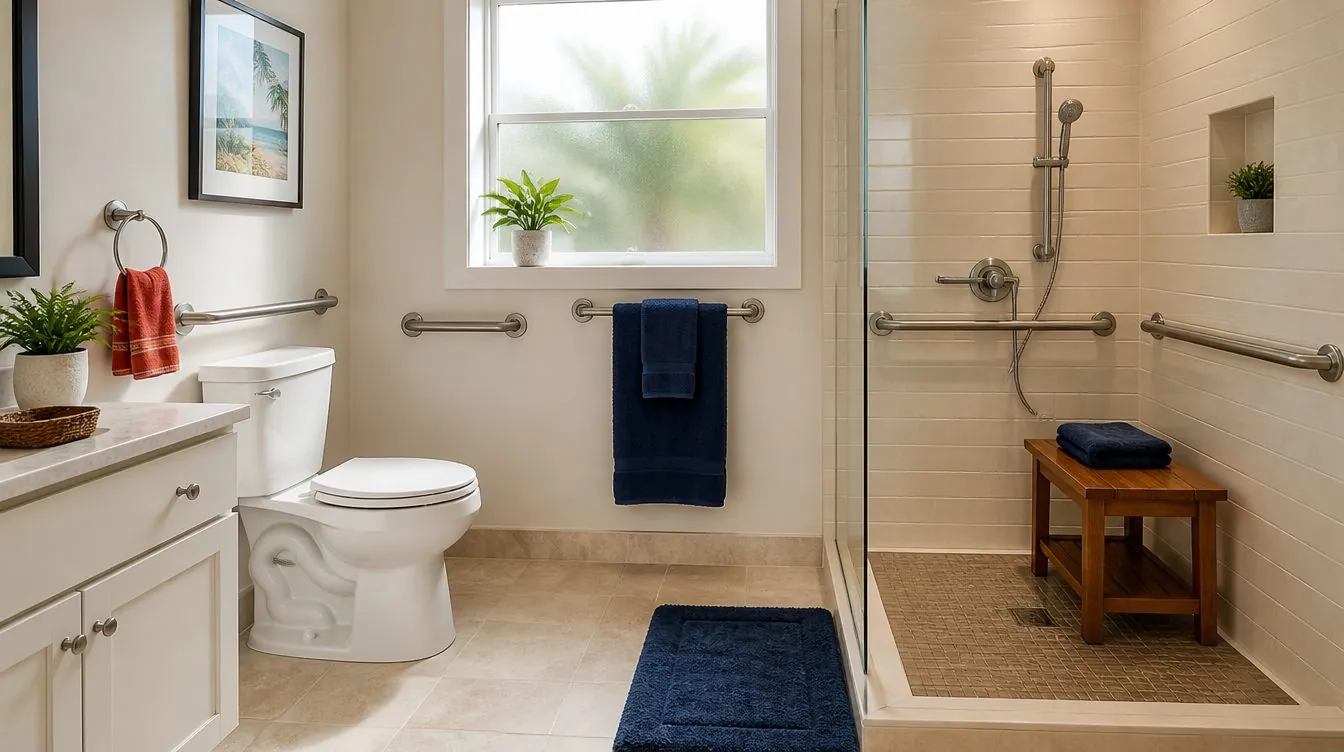
- Grab bars next to the toilet and inside the shower (mounted into a stud, not a towel bar)
- A non-slip mat inside the tub and a fast-drying rug outside it
- A shower chair or bench
- A raised toilet seat if rising is difficult
- A handheld shower head
4. Wear the right shoes, even at home
Slippers, socks alone, and worn-out flip-flops are top causes of slips. Encourage non-slip shoes with low, supportive heels worn all day at home. Replace any pair where the tread is smooth or the heel is collapsed.
5. Build balance and leg strength weekly
Balance, like any muscle, fades when it is not used. Two or three short sessions per week can dramatically reduce risk:
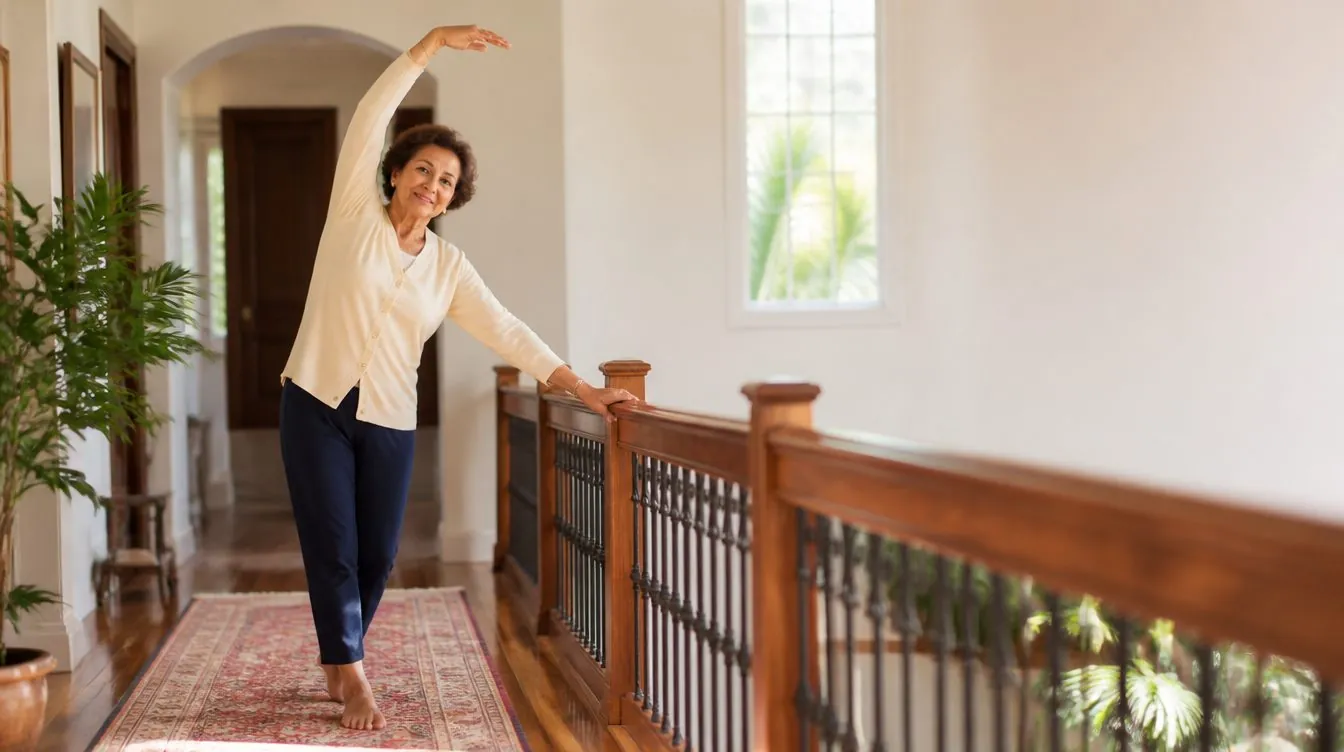
- Heel-to-toe walk: 10 steps in a hallway, hand on the wall
- Sit-to-stand: 10 to 15 repetitions from a sturdy chair without using hands
- Single-leg stand: 10 seconds per leg, holding a counter
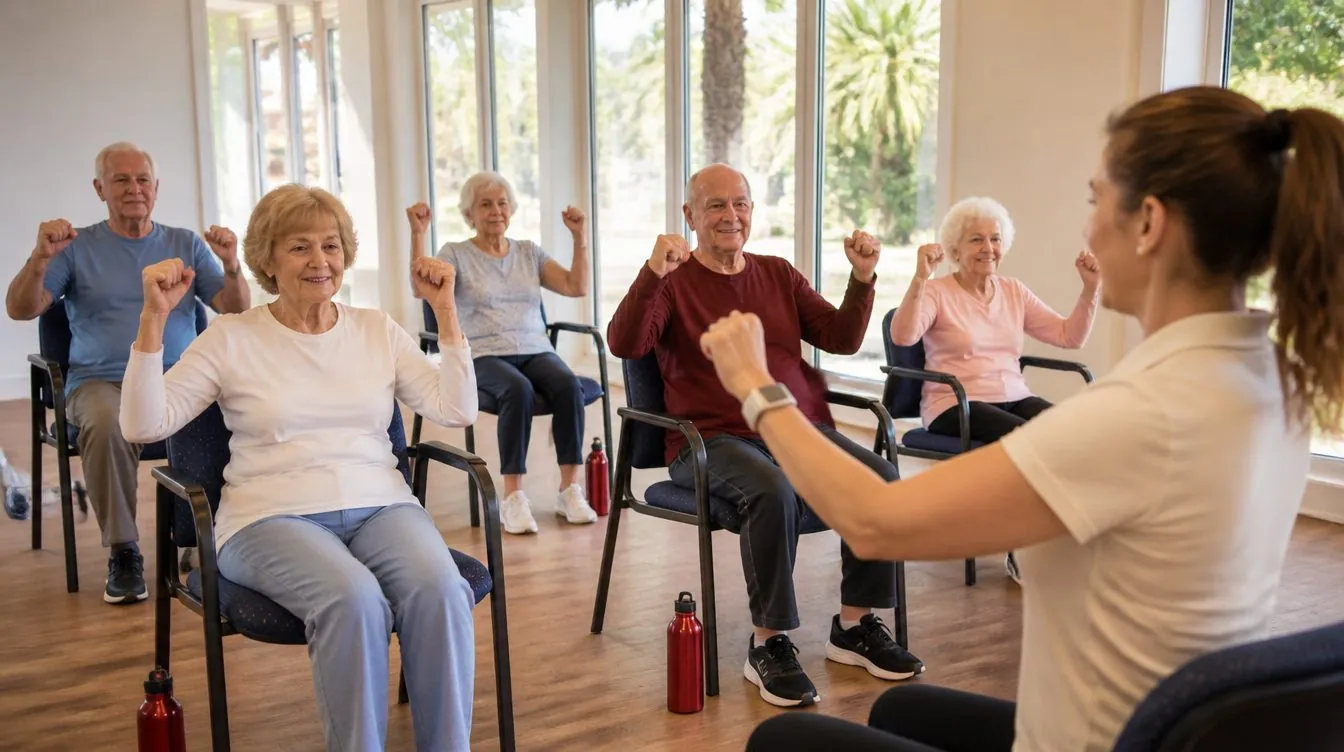
- Tai chi, yoga, or chair fitness classes (Tamarac Senior Center offers these)
Read more: How to Stay Active as a Senior in Broward.
6. Review medications with the doctor every year
Many common medications, sleeping aids, certain blood pressure pills, opioids, antihistamines, increase dizziness and fall risk. Ask the primary care doctor or pharmacist for an annual review of every prescription and every over-the-counter pill and supplement. Even one removed medication can change everything.
7. Schedule annual vision and hearing checks
Updated glasses and treated hearing loss both reduce fall risk. Cataracts, glaucoma, and macular degeneration are common in older adults and treatable when caught early. Hearing matters too, unrecognized footsteps, alarms, or shouted warnings increase risk.
8. Stay hydrated, especially in Florida heat
Dehydration causes lightheadedness, a major fall trigger. Most older adults do not feel thirst the way younger adults do. Aim for water with every meal and a glass mid-morning and mid-afternoon. Reduce caffeine and limit alcohol, both of which dehydrate.
9. Use the right assistive device, and use it correctly
A cane or walker is not a sign of decline; it is a tool. Have a physical therapist size the device, demonstrate use on stairs, curbs, and tile floors, and replace worn rubber tips. Resistance to a cane is one of the most common patterns behind preventable falls.
Why a small daily routine beats a one-time fix
The single best fall prevention plan is the one that gets done. A 10-minute balance routine three days a week, a clean walkway, lights left on, and a pair of good shoes will do more than a perfect plan that never starts. Adult day programs help because they build that consistency into the week, fitness, walking, social engagement, hydration, and supervision are part of the day.
Related reading on senior wellness in Broward
- 7 Key Benefits: Physical Therapy for Seniors In Broward County
- How to Stay Active as a Senior in Broward
- 9 Memory Stimulating Activities for Seniors That Work
- Does Medicaid Cover Adult Day Care in Florida?
Frequently Asked Questions
How common are falls in older adults?
The CDC reports that one in four adults aged 65 and older falls each year. Falls are the leading cause of injury and injury-related death for older adults in the United States.
What is the single most important fall prevention step at home?
Bathroom safety. Most serious senior falls happen in the bathroom. Installing properly anchored grab bars, a non-slip mat, and a shower chair reduces risk dramatically.
Can balance exercises really prevent falls?
Yes. Programs of 12 weeks or more that combine balance, leg strength, and tai chi-style movement have been shown to reduce fall risk by 30 percent or more in older adults.
Are my parent's medications increasing their fall risk?
Possibly. Sleeping aids, opioids, antihistamines, and certain blood pressure or psychiatric medications can cause dizziness or low blood pressure. Schedule a medication review with the primary care doctor at least once a year.
Should an older adult use a cane or walker?
If balance is unsteady or there is a history of falls, yes. A physical therapist should size and fit the device, and the rubber tips should be checked every few months.
How does an adult day program help prevent falls?
Day programs build movement, hydration, social engagement, and supervised activity into the week. Members are less sedentary, better hydrated, and surrounded by trained staff, each of which independently reduces fall risk.
Talk with Tamarac Senior Center about fall prevention
If you are worried about a parent's fall risk in Tamarac or anywhere in Broward County, we can help. Our Physical Activities and Wellness program is built around balance, strength, and consistent movement in a safe, supervised setting. Call (954) 694-1100 or visit us at 6570 N University Dr, Tamarac, FL 33321, Monday through Saturday, 8 AM, 4 PM, to schedule a tour.


